How Much Does Ceramic Coating Cost in Dallas? Real Price Ranges Explained
Ceramic coating pricing swings wildly depending on who you ask — and a lot of that gap comes down to what's actually included, not just markup. Here's what drives the cost.
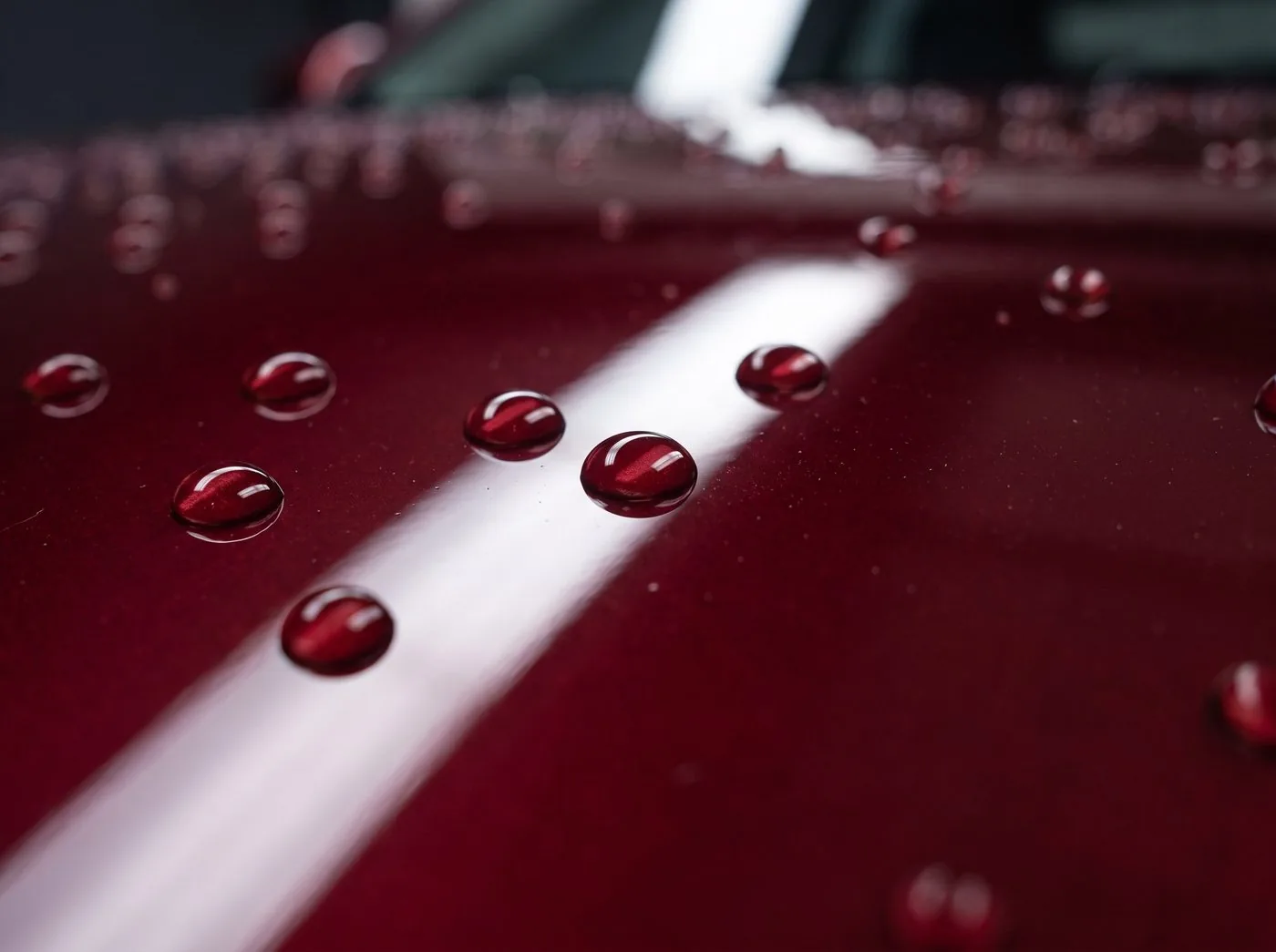
Search "ceramic coating cost" and you'll see numbers anywhere from a couple hundred dollars to well over two thousand for the same-sounding service. That range isn't random — it reflects genuinely different products, prep work, and vehicle conditions being lumped under one label. Here's what actually moves the number.
What's actually driving the price
Four things determine most of what you'll pay for ceramic coating in the Dallas–Fort Worth area:
- Paint condition going in. A vehicle with existing swirl marks, oxidation, or light scratches needs paint correction before coating — without it, the coating locks in whatever defects are already there. Correction time is usually the single biggest cost variable.
- Coating product tier. Consumer-grade DIY coatings cost far less than professional-grade, multi-layer ceramic systems, and durability differs accordingly — often the gap between a 1–2 year product and a 4–5+ year one.
- Vehicle size and surface complexity. A two-door coupe takes less prep and product than a three-row SUV or a vehicle with a lot of trim and body lines to mask.
- What's included beyond the coating itself. Wheels, glass, trim, and interior leather coating are sometimes bundled and sometimes priced separately — always confirm exactly what surfaces are covered.
Why quotes for "the same service" can differ so much
The most common reason two quotes look wildly different for what sounds like the same job: one includes paint correction and the other doesn't. A shop quoting a lower number may be applying coating directly over existing swirl marks and light oxidation, which locks the defects in rather than fixing them — technically cheaper, but not actually the same outcome. Ask directly whether correction is included, and if so, how many polishing stages.
Is a cheaper coating actually cheaper long-term?
Not always. A lower-tier coating rated for 1–2 years that needs reapplication sooner can end up costing more over a five-year window than a single higher-tier application that lasts the whole stretch. If you're planning to keep a vehicle for several years, it's worth asking about expected lifespan alongside price — not just the sticker number.
What a fair Dallas–Fort Worth quote should include
- A wash and decontamination step (clay bar or equivalent) before any coating touches the paint
- An honest assessment of whether correction is needed, with pricing broken out separately
- Clarity on which surfaces are covered — paint only, or paint plus wheels, trim, and glass
- A stated expected lifespan for the specific product being used, not a generic marketing claim
- Basic aftercare guidance — wash method, timing before the first wash, and maintenance product recommendations
The lowest quote and the best value aren't always the same number — what matters is what's actually being done to the paint before the coating goes on.
Getting an accurate number for your vehicle
Because paint condition varies so much car to car, an accurate ceramic coating quote really needs to account for your specific vehicle rather than a flat rate pulled from a price list. The most reliable way to get a real number is a quick assessment of your paint's current condition alongside your vehicle's size and trim level. For the service order behind those quotes, read the paint correction vs. ceramic coating guide.
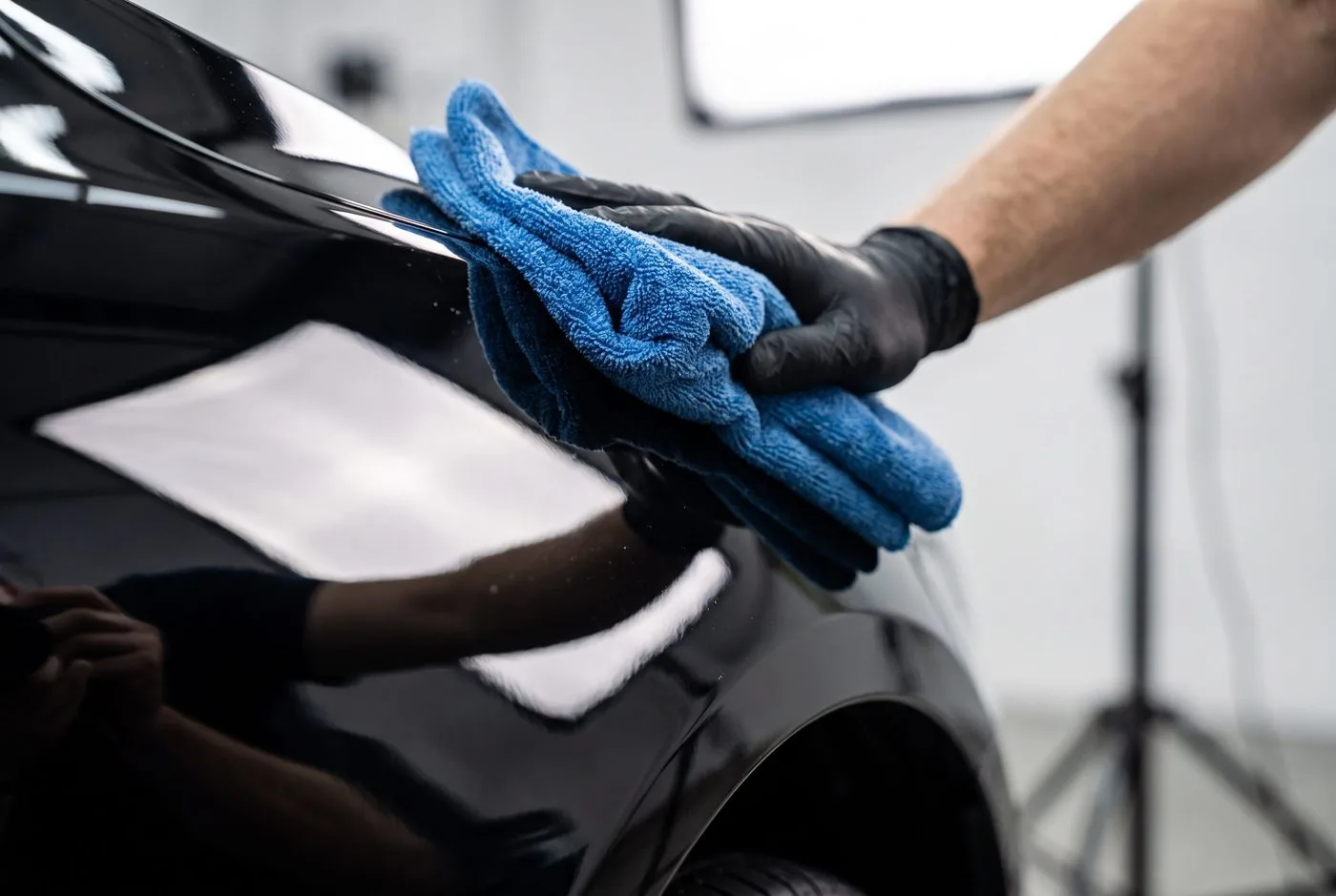
Quick answers
The biggest factor is usually whether paint correction is included before the coating goes on — a lower quote often skips correction entirely, applying coating directly over existing swirl marks rather than fixing them first.
Consumer DIY coatings cost less upfront but are typically rated for a much shorter lifespan than professional-grade systems, and application mistakes can affect how well they bond — worth weighing against the cost of professional application over a multi-year period.
More from the Car Care Guide
Is Ceramic Coating Worth It in Dallas Heat?
What ceramic coating actually protects against — and what it doesn't — for North Texas drivers.
Ceramic Coating Maintenance: A Month-by-Month Care Guide
A realistic month-by-month maintenance routine to get the full rated lifespan out of a ceramic coating in North Texas conditions.