Ceramic Coating Maintenance: A Month-by-Month Care Guide
A ceramic coating isn't maintenance-free — it's maintenance-easier. Here's the routine that actually gets you the full rated lifespan.
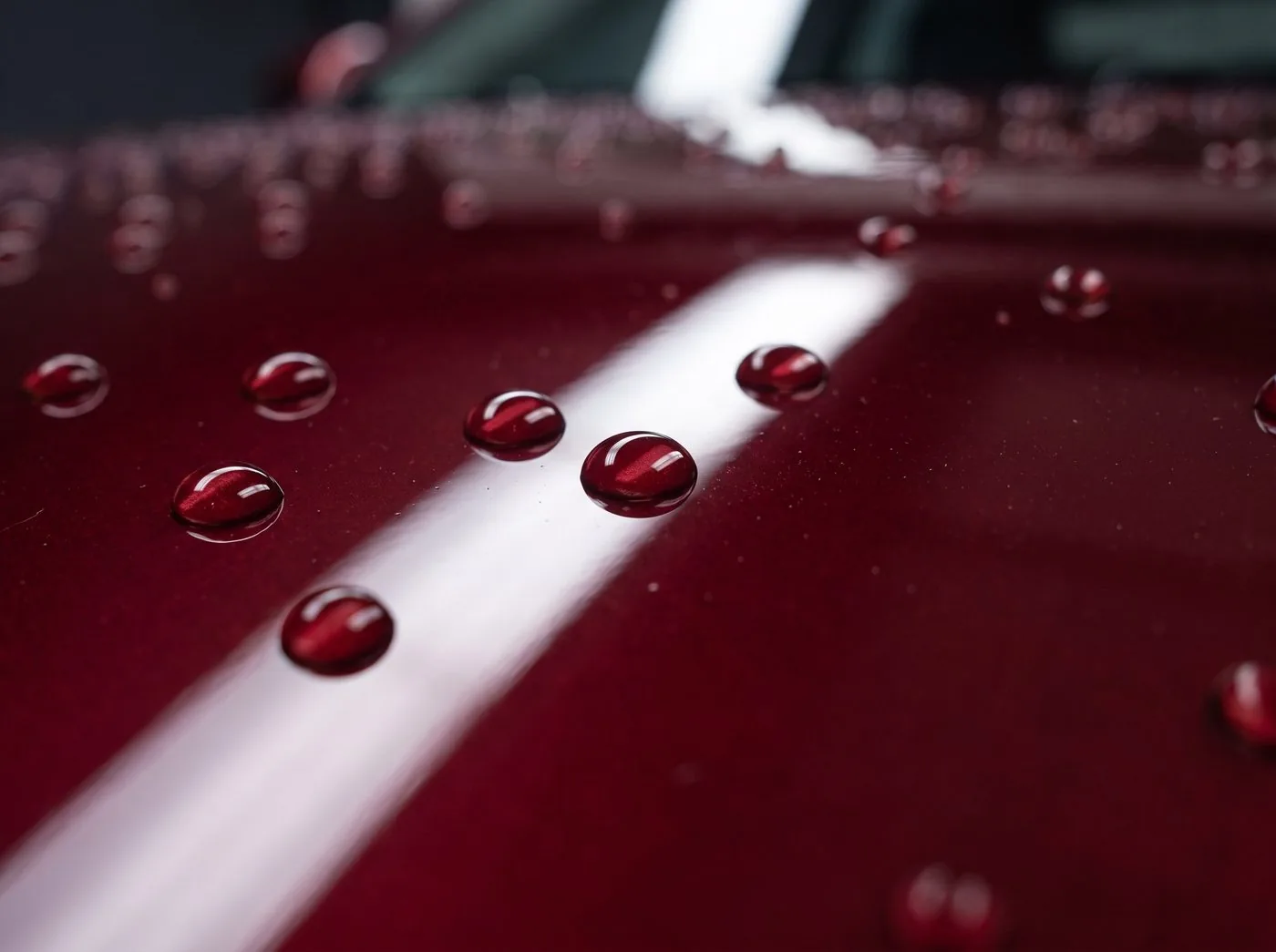
One of the most common misconceptions about ceramic coating is that it eliminates the need for any real maintenance. It doesn't — it makes maintenance significantly easier and less frequent, which is a meaningfully different thing. Skipping care entirely shortens a coating's real-world lifespan, especially in North Texas conditions.
The first 7–10 days: cure time matters
Most professional-grade coatings need roughly a week to fully cure before they've reached full hardness and hydrophobic performance. During this window, avoid washing the vehicle, exposing it to rain if possible, and any contact that could disrupt the curing surface. Your installer should give you specific cure-time guidance for the exact product used — follow it, since rushing this step can affect how well the coating ultimately bonds.
Ongoing washing routine
- Wash every 2–3 weeks as a baseline, adjusting more frequently during North Texas pollen season or after storms that leave mineral spotting.
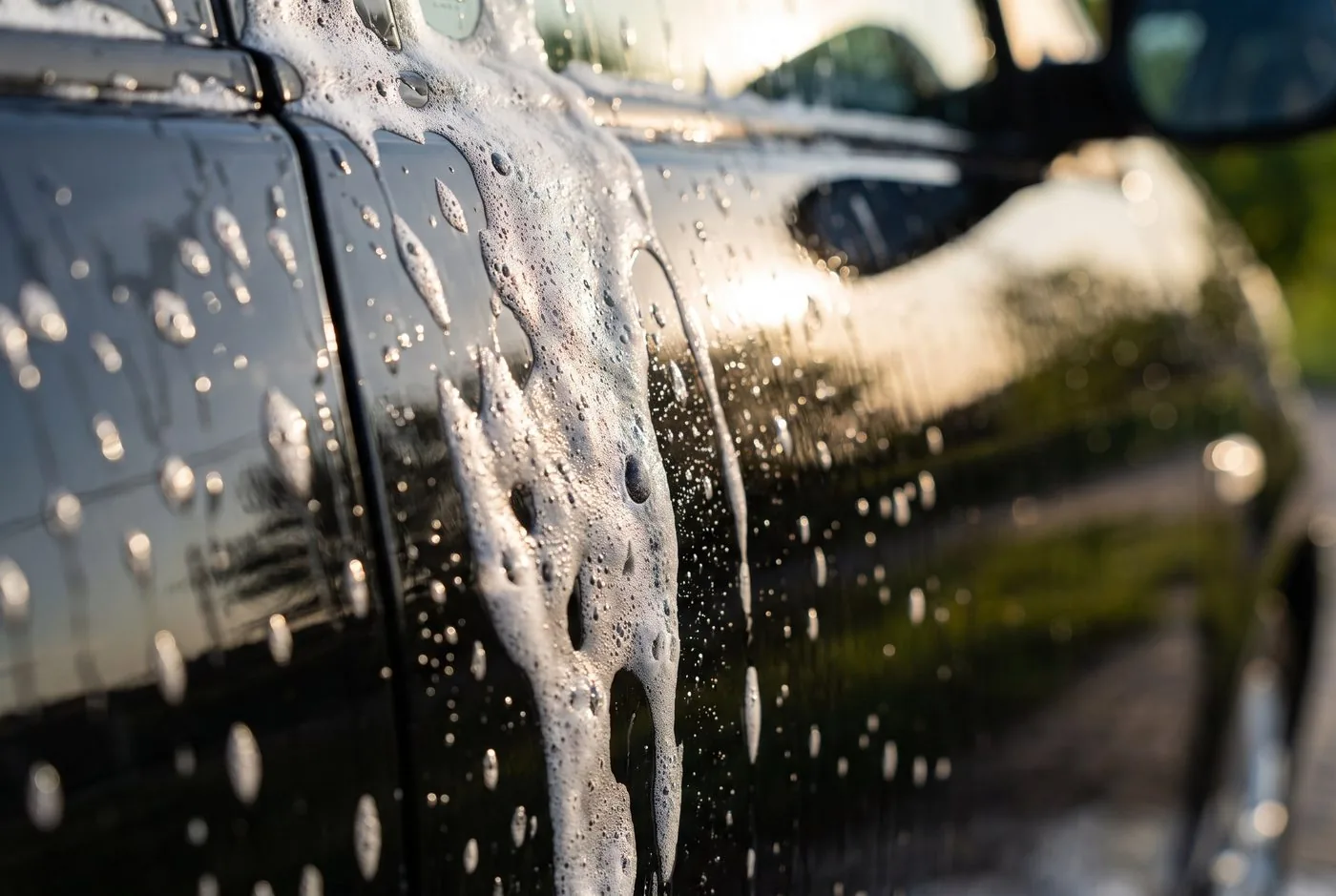
- Two-bucket hand wash method with a pH-neutral car soap specifically — soaps with wax-stripping additives or high acidity can degrade a coating faster than expected.
- Avoid automated brush washes entirely. The brushes at most automated washes can introduce fine scratching regardless of coating, and some harsh automated wash chemicals aren't coating-friendly.
- Dry with clean microfiber towels rather than air-drying, even though coated paint sheds water more easily — leftover water can still leave mineral spotting if left to evaporate in place.
Monthly: check performance
Once a month, take a moment to check how water behaves on the surface after a wash. Strong, tight beading with water rolling off easily means the coating is performing as expected. If water starts sheeting flatter or beading less dramatically, that's an early sign the coating's hydrophobic performance is starting to wear — worth noting rather than ignoring.
Seasonal: North Texas-specific attention
- Spring (pollen season): Increase wash frequency during peak pollen weeks — even a coated surface benefits from more frequent rinsing when pollen accumulation is heavy.
- Summer (peak heat and UV): This is when a coating earns its keep, but it's also worth avoiding washing in direct, blazing midday sun when possible — washing in shade or cooler parts of the day reduces water-spotting risk from fast evaporation.
- After storms: A prompt wash after any storm prevents mineral-laden rainwater from sitting and drying on the coated surface.
Every 6–12 months: maintenance topper or booster
Many coating manufacturers recommend a maintenance spray or booster product periodically to reinforce hydrophobic performance between the coating's full reapplication cycle. This isn't strictly mandatory for every product, but it's a low-effort step that meaningfully extends noticeable performance — check with your specific product's guidance.
A coating that's neglected for years won't necessarily fail outright, but it will underperform its rated lifespan — the maintenance routine is what closes that gap.
When it's time to consider reapplication
Depending on the product, professional-grade coatings are commonly rated from roughly 2 to 5+ years. Reduced beading, dulling gloss, and contaminants sticking more stubbornly than they used to are the practical signs it's approaching time to reassess — a fresh ceramic coating assessment can confirm whether reapplication makes sense for your specific vehicle and timeline.
Quick answers
Not ideal — many standard car soaps contain wax-stripping additives or higher acidity that can degrade a coating faster than expected. A pH-neutral soap specifically is the safer choice for coated paint.
The coating likely won't fail outright, but it will underperform its rated lifespan — reduced beading and faster contaminant buildup are common signs of a neglected coating well before its expected end-of-life.
More from the Car Care Guide
Is Ceramic Coating Worth It in Dallas Heat?
What ceramic coating actually protects against — and what it doesn't — for North Texas drivers.
How Much Does Ceramic Coating Cost in Dallas? Real Price Ranges Explained
What actually drives ceramic coating pricing for Dallas–Fort Worth vehicles — and how to tell a fair quote from an inflated one.