How to Clean Leather Car Seats Without Cracking Them
Leather seats look great until they start cracking — and in Texas heat, that happens faster than most owners expect. Here's how to actually prevent it.
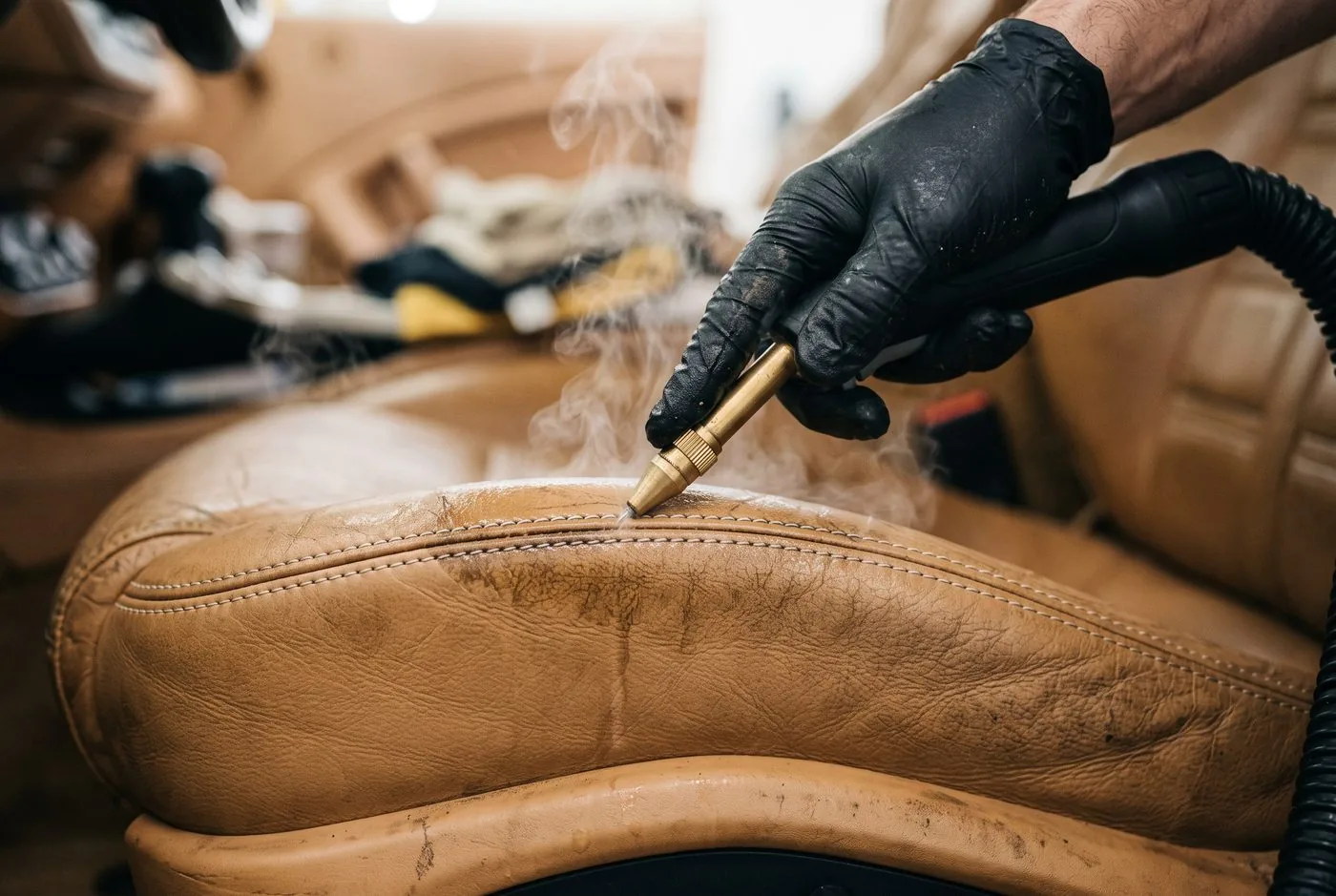
Leather seats are one of the more expensive interior upgrades on a vehicle, and also one of the most commonly neglected — a lot of owners clean leather the same way they'd clean cloth upholstery, which skips the step that actually prevents long-term damage.
Why leather cracks — and why Texas heat accelerates it
Leather is a natural material that relies on oils to stay flexible. Cleaning removes surface dirt but also strips some of those natural oils, and heat and UV exposure dry leather out further over time. In a vehicle parked outdoors through a North Texas summer — where cabin temperatures in direct sun regularly climb well past outside air temperature — that drying process happens significantly faster than in a garage-kept vehicle or a milder climate. Skip conditioning long enough, and the leather eventually loses enough flexibility that it cracks under normal use, particularly in high-flex areas like the seat bolsters and driver's seat bottom.
The two-step process that actually protects leather
Step 1: Clean, don't just wipe
A proper leather cleaner is formulated to lift dirt, body oils, and grime from the surface and stitching without stripping the leather's finish. Household cleaners, all-purpose interior sprays, or plain soap and water can be too harsh or leave residue — dedicated leather cleaner is worth using specifically because it's balanced for the material.
Step 2: Condition every time you clean
This is the step most people skip, and it's the one that actually matters most. Leather conditioner replaces the moisture and oils that cleaning removes, keeping the material flexible. Skipping conditioning after cleaning is one of the most common reasons leather seats dry out faster than expected — cleaning without conditioning can actually accelerate cracking rather than prevent it.
A realistic maintenance schedule
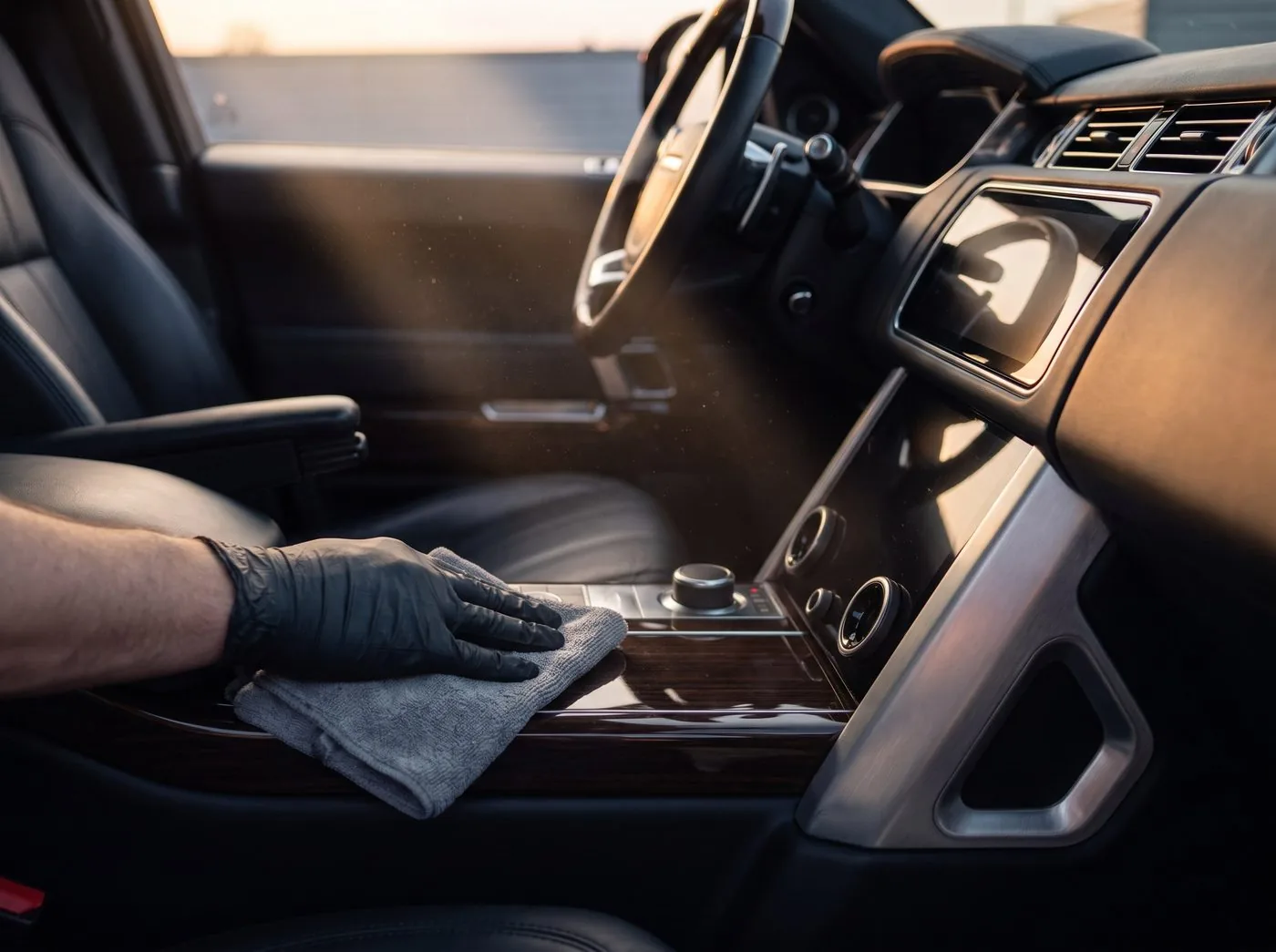
- Wipe down: Every week or two, a quick wipe with a slightly damp microfiber cloth removes surface dust and light grime.
- Deep clean and condition: Every one to two months for a daily-driven vehicle, more often for vehicles that see heavy sun exposure or frequent use.
- Full leather detailing: Periodically, a more thorough deep clean and conditioning treatment addresses buildup a quick wipe-down doesn't reach — particularly in seams and stitching.
What to avoid
- Silicone-based "shine" products that leave a glossy but ultimately drying residue over time
- Direct sun exposure without any interior protection — window tint or sunshades genuinely help reduce cabin heat and UV load on leather
- Harsh household cleaners not formulated for automotive leather
- Ignoring stitching, which dries and can fray if it's never cleaned or conditioned along with the leather itself
Cleaning leather without conditioning it afterward is like washing your hands constantly without ever using lotion — the drying effect compounds over time.
If leather is already showing early cracking
Very early, fine cracking can sometimes be improved with a deep conditioning treatment that restores some flexibility, though it won't reverse cracking that's already progressed significantly. This is another case where addressing it early — through regular interior detailing — genuinely changes the long-term outcome compared to waiting until damage is visible.
Quick answers
Occasionally for a quick spot-clean it's low-risk, but baby wipes aren't formulated for automotive leather and don't include conditioning — relying on them regularly instead of proper leather cleaner and conditioner can contribute to drying over time.
Genuine leather typically has a slightly irregular grain texture and a distinct smell, while synthetic (vegan or faux) leather tends to have a more uniform pattern — check your vehicle's manual or door-jamb sticker if you're not sure, since cleaning products differ between the two.
More from the Car Care Guide
Interior Detailing Checklist: What Actually Gets Cleaned (Step by Step)
A step-by-step look at what a real interior detail covers, so you can tell a thorough job from a rushed one before booking.
How to Get Rid of Car Odors for Good (Smoke, Pet, and Mildew)
Why masking a car odor never actually works, and what removing smoke, pet, or mildew smell for good actually requires.