How to Get Rid of Car Odors for Good (Smoke, Pet, and Mildew)
An air freshener masks a smell for a few hours. Actually removing it requires addressing where the odor is embedded — here's what that takes.
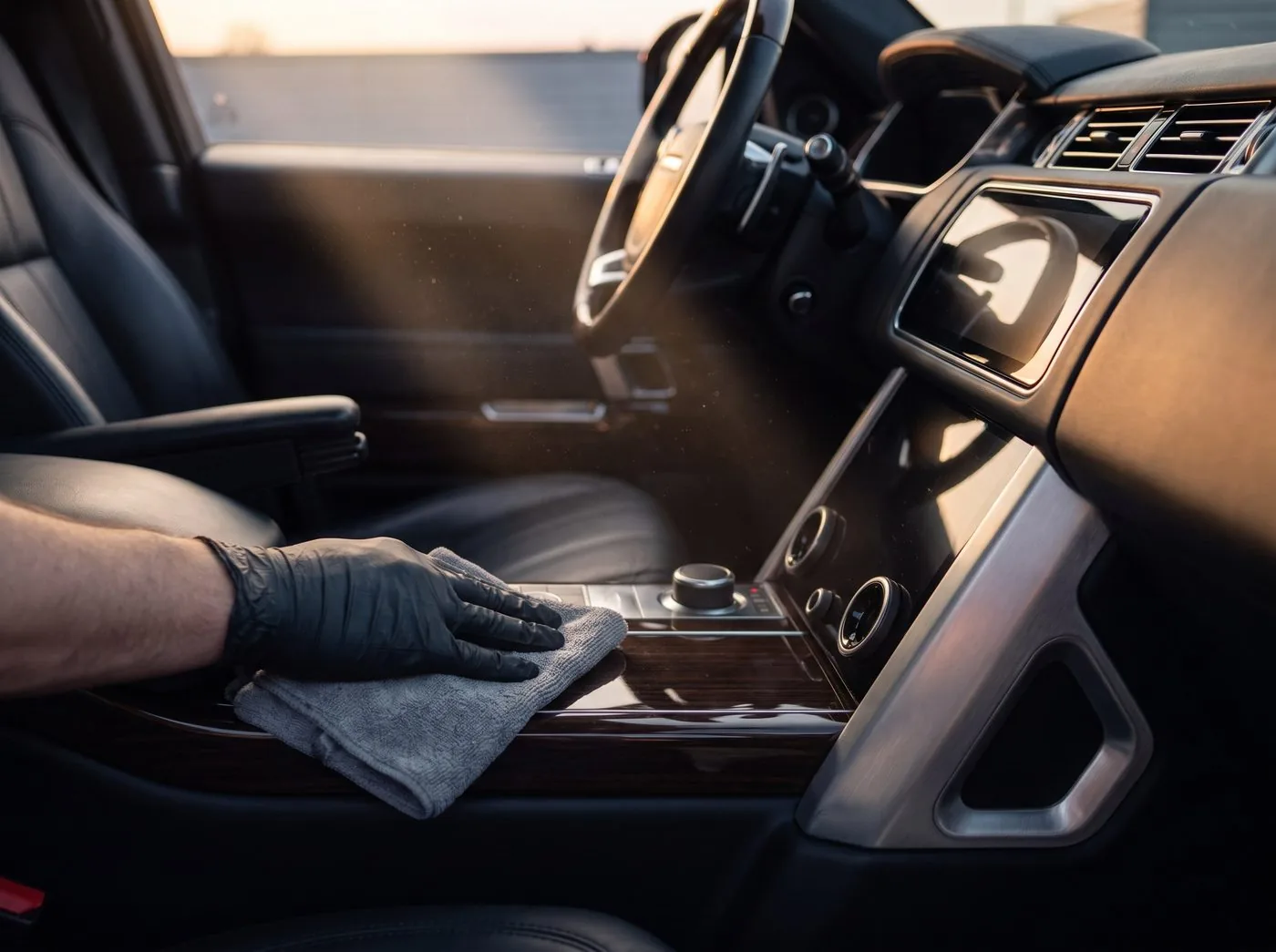
Persistent car odors — smoke, pet, mildew — share a common problem: the source isn't on the surface where you can wipe it away, it's embedded in materials that trap and continuously release odor-causing particles. Understanding that is the key to actually fixing it rather than just masking it.
Why air fresheners don't actually solve anything
Air fresheners add a competing scent to the cabin air, but they do nothing to the actual source — odor-causing particles embedded in carpet padding, seat foam, and fabric fibers. That's why the smell always comes back, often within hours, and why long-term "solutions" that are really just masking agents end up costing more over time than one proper treatment.
Where odors actually live in a vehicle
- Carpet and carpet padding. The padding underneath carpet acts like a sponge for spills, moisture, and airborne particles — and it's completely hidden from view, which is why odor sources here get missed constantly.
- Seat foam and cloth upholstery. Porous foam absorbs and holds onto smoke particles and moisture-related odors far more than the visible fabric surface suggests.
- HVAC system. Cabin air filters and the evaporator core can develop mildew growth from condensation, causing a musty smell that seems to come from "everywhere" because it's literally being blown through the vents.
- Headliner. Fabric headliners absorb smoke odor particularly persistently, since smoke naturally rises and settles into the cabin's highest fabric surface.
What actually removes embedded odor
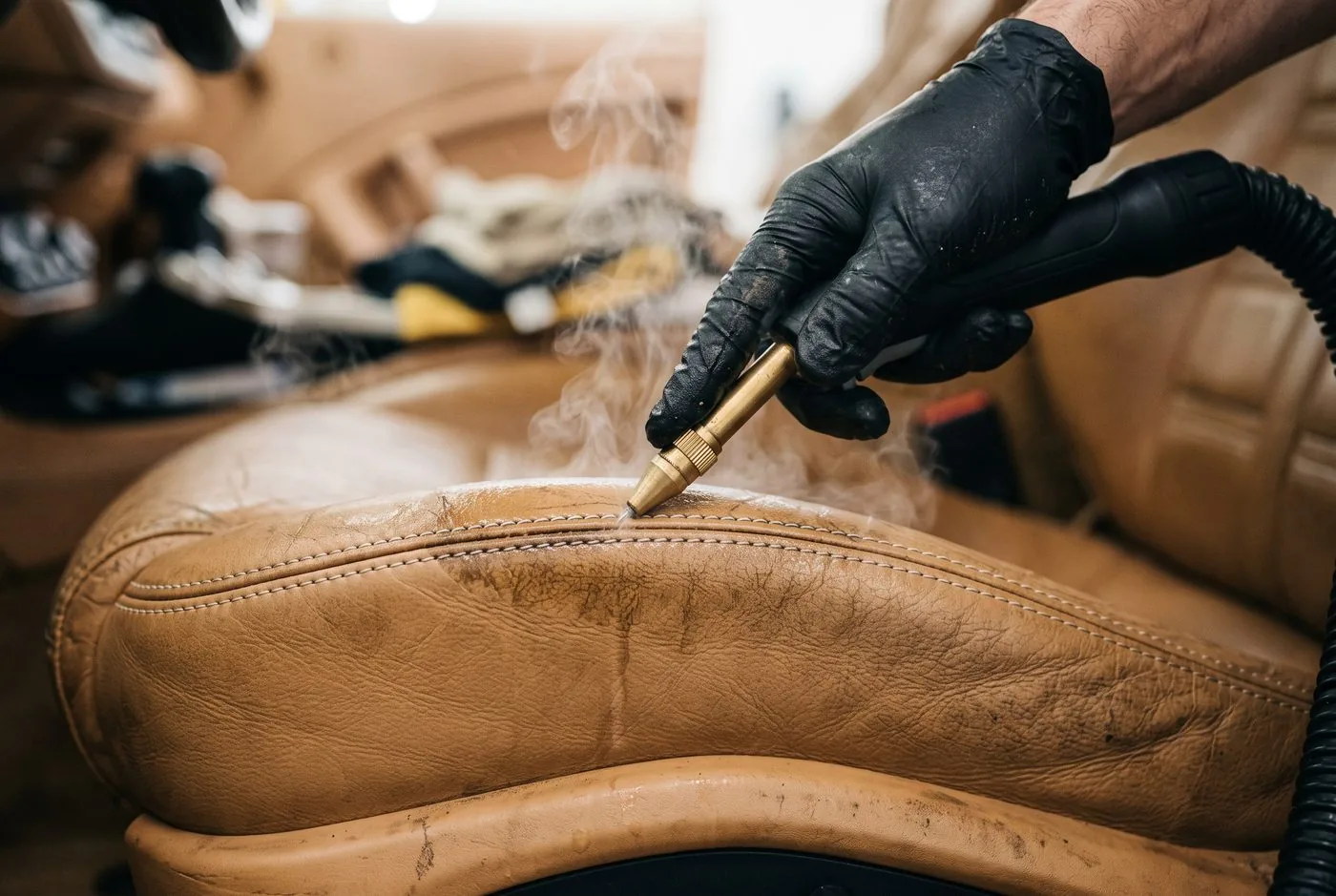
- Deep extraction cleaning. Hot water extraction cleans carpet, upholstery, and padding at a level a surface vacuum or wipe-down can't reach, physically flushing out embedded particles rather than just cleaning the visible surface.
- Targeted odor-neutralizing treatment. Rather than masking scent, proper odor treatments chemically neutralize odor-causing compounds — this is different from a fragrance spray and is what actually resolves the smell rather than covering it.
- Ozone or enzymatic treatment for severe cases. For deeply embedded smoke or significant mildew odor, ozone treatment or enzymatic cleaners break down odor compounds at a molecular level, often needed when extraction and standard treatment alone aren't enough.
- HVAC system attention. If musty odor persists even after interior cleaning, the cabin air filter and HVAC system itself may need cleaning or the filter replaced — otherwise the vehicle keeps circulating the odor source through the vents regardless of how clean the cabin surfaces are.
Setting realistic expectations
Light, recent odors often resolve completely with one thorough treatment. Long-standing smoke odor or significant mold/mildew growth from standing water may need more than one treatment cycle to fully resolve, and in rare severe cases (extensive water damage with mold growth throughout padding), some materials may need actual replacement rather than treatment — worth knowing upfront rather than being surprised later.
If a smell keeps returning no matter how many air fresheners you try, that's the clearest sign the source hasn't actually been addressed yet.
How this fits into a full interior service
Odor treatment is typically paired with a thorough interior detail, since the extraction and deep-cleaning steps that remove embedded dirt are the same processes that reach embedded odor sources — treating them together tends to get better, longer-lasting results than odor treatment alone on an otherwise unclean interior.
Quick answers
It helps if the filter itself is the source, but if mold or mildew has developed elsewhere in the HVAC system or in wet carpet padding, filter replacement alone won't fully resolve the odor — a broader assessment is usually needed.
Extraction cleaning shows immediate improvement, but full odor neutralization — especially for smoke or significant mildew — can take one treatment for lighter cases or multiple sessions for long-standing, deeply embedded odor.
More from the Car Care Guide
How to Remove Pet Hair From Your Car
Why a vacuum alone rarely gets it all, and what actually works.
Interior Detailing Checklist: What Actually Gets Cleaned (Step by Step)
A step-by-step look at what a real interior detail covers, so you can tell a thorough job from a rushed one before booking.