Does Detailing Your Car Before Selling Actually Pay Off?
It's a fair question before spending money on a car you're about to sell. Here's an honest look at what actually moves the needle with buyers, and what doesn't.
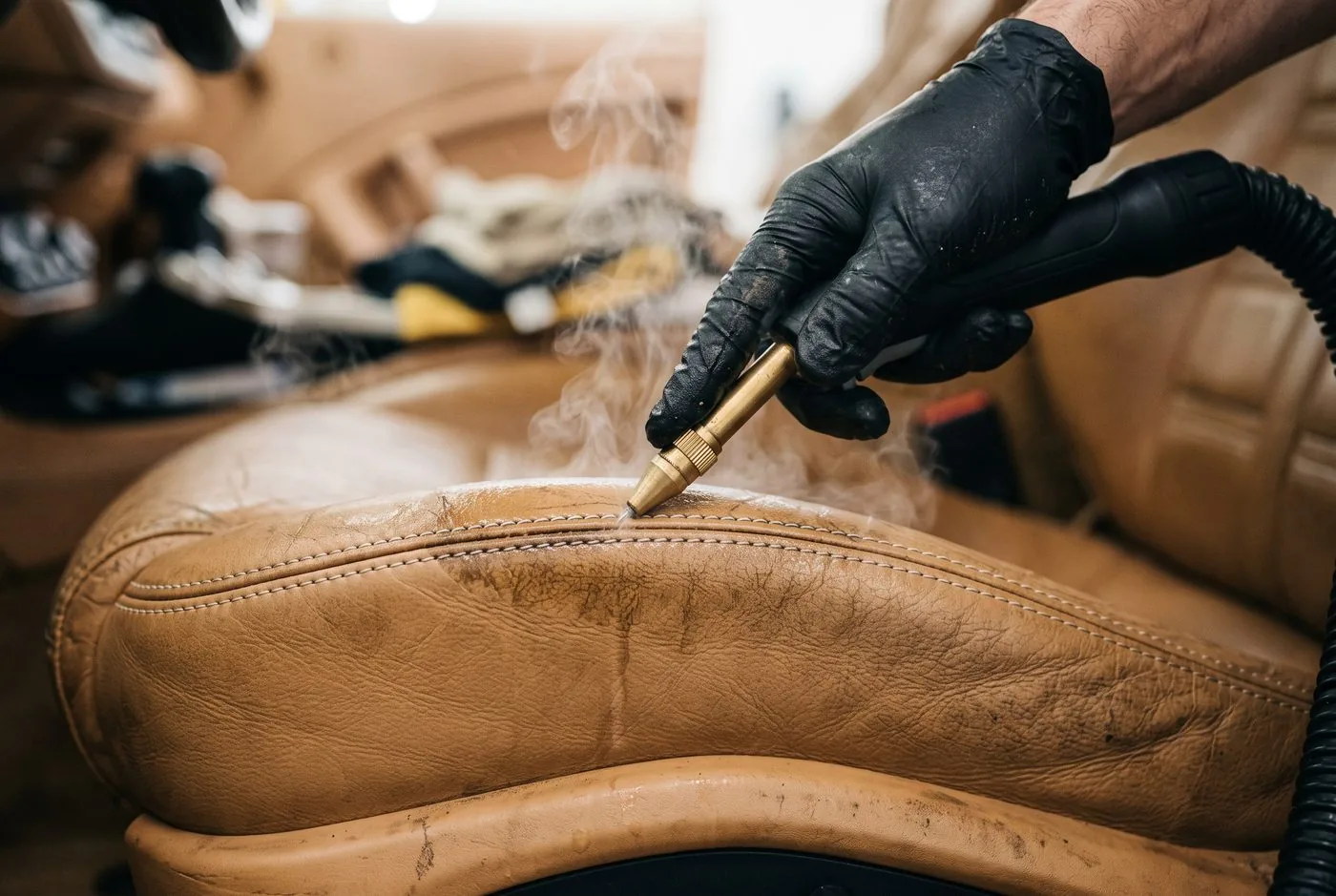
Spending money on a car you're planning to sell can feel counterintuitive, but there's a meaningful difference between overspending on unnecessary work and making targeted improvements that actually influence what a buyer is willing to pay — or how quickly they decide to buy at all.
What buyers actually respond to
First impressions genuinely drive buying decisions, especially for private-party sales where a buyer is often comparing several similar listings. A clean, well-presented interior and glossy, swirl-free exterior signal "well-maintained" in a way that's hard to convey through a description alone — and buyers routinely assume a car's mechanical care mirrors its visible condition, fair or not.
Interior condition matters more than most sellers expect
Odors, stains, and visible wear in the cabin are some of the fastest ways to lose buyer confidence, sometimes before they've even started the vehicle. A thorough interior detail — addressing stains, embedded dirt, and any lingering odor — tends to be one of the highest-value pre-sale investments precisely because interior neglect is so visible and so easy for a buyer to notice within the first thirty seconds of sitting inside.
Exterior condition: what's worth it, and what isn't
- A thorough wash and decontamination: Genuinely worth it — cost is low relative to the impact of a clean, glossy first impression in photos and in person.
- Light paint correction for visible swirling: Often worth it if the vehicle is otherwise in good condition, since removing visible swirl marks meaningfully improves how the paint photographs and presents in direct light during a test drive or inspection.
- Ceramic coating specifically to sell: Generally not worth the cost purely for a sale — it's a multi-year protection investment that benefits an owner keeping the car, not a short-term presentation boost for a buyer who won't see the long-term payoff.
- Engine bay detailing: Worth considering if a buyer is likely to pop the hood during inspection — a clean, well-maintained-looking engine bay reinforces the same "well cared for" impression the rest of the vehicle is projecting.
Does detailing actually increase the sale price, or just speed up the sale?
Realistically, it's more often the second — a well-presented vehicle tends to sell faster and with less price negotiation than a neglected-looking one of similar mechanical condition, since buyers have less visible reason to push back on price. It's less reliable to expect detailing alone to add a specific dollar amount to a sale price, but a poorly presented car reliably invites more lowball offers and longer time on the market.
A realistic pre-sale approach
- Start with a full interior and exterior detail as the baseline — this addresses the most buyer-visible factors
- Assess paint under proper lighting for visible swirling or defects worth correcting
- Skip long-term protection products purely for resale purposes — save that investment for a vehicle you're keeping
- Take photos after detailing, in good natural light, since first impressions in a listing matter as much as in person
Detailing before a sale isn't really about adding value in a literal appraisal sense — it's about removing the reasons a buyer might hesitate or negotiate harder than they otherwise would.
For a straightforward, cost-effective pre-sale prep, a full detail covering both interior and exterior tends to be the highest-value single service — get a quote based on your vehicle's actual current condition to see what makes sense before listing.
Quick answers
The impact is generally smaller for trade-ins, since dealerships often value vehicles based on standardized condition assessments rather than presentation — detailing tends to matter more for private-party sales where a buyer is directly influenced by first impressions.
At minimum, a thorough wash and interior vacuum/wipe-down addresses the most visible factors; a full detail is a stronger option if the vehicle shows any real wear or has been neglected for a while.
More from the Car Care Guide
Interior Detailing Checklist: What Actually Gets Cleaned (Step by Step)
A step-by-step look at what a real interior detail covers, so you can tell a thorough job from a rushed one before booking.
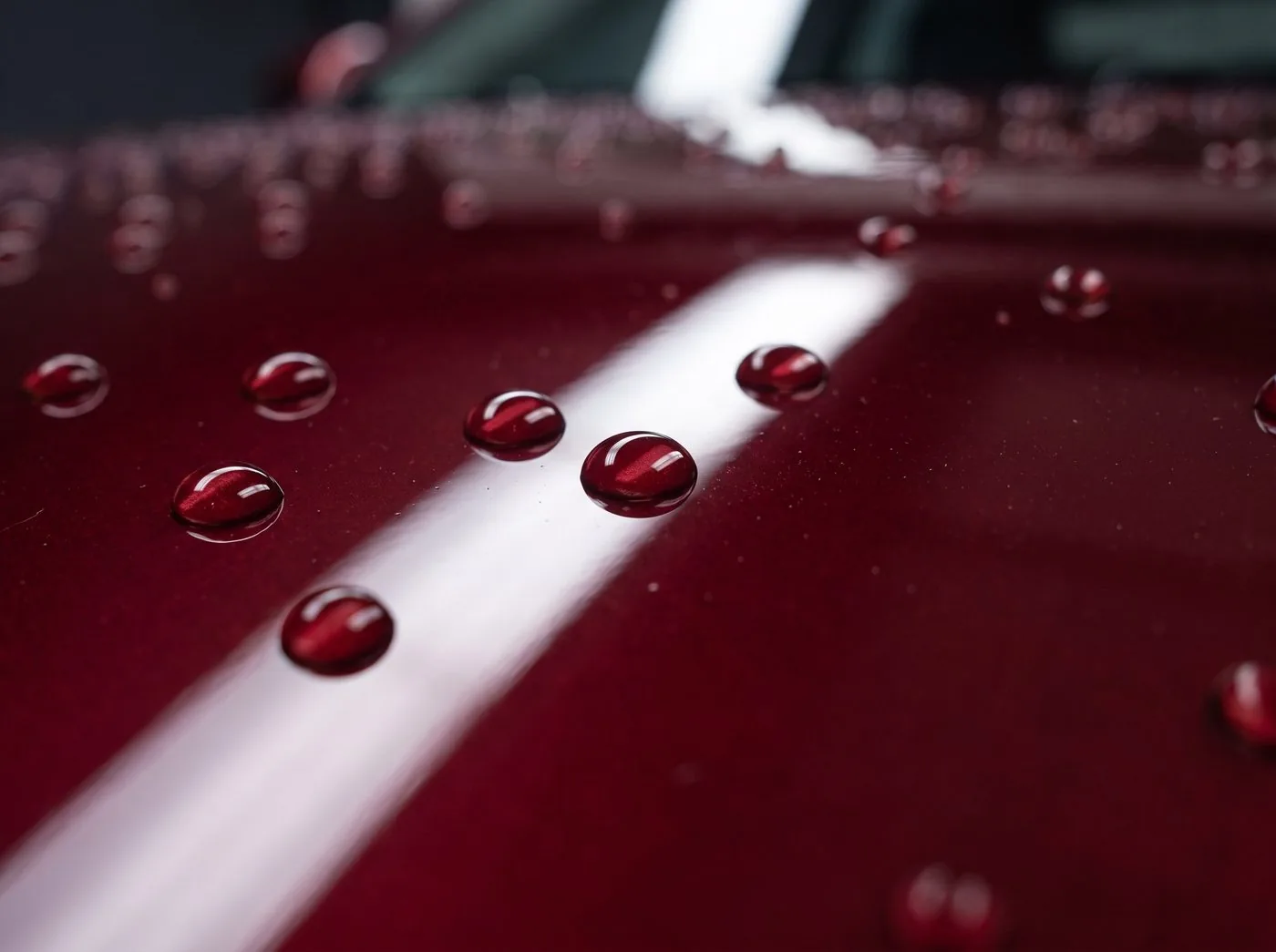
How Much Does Ceramic Coating Cost in Dallas? Real Price Ranges Explained
What actually drives ceramic coating pricing for Dallas–Fort Worth vehicles — and how to tell a fair quote from an inflated one.