Clay Bar Treatment Explained: What It Does and When You Need It
If your paint feels gritty even right after a wash, a wash alone isn't the fix. Here's what clay bar treatment actually removes, and why it matters.
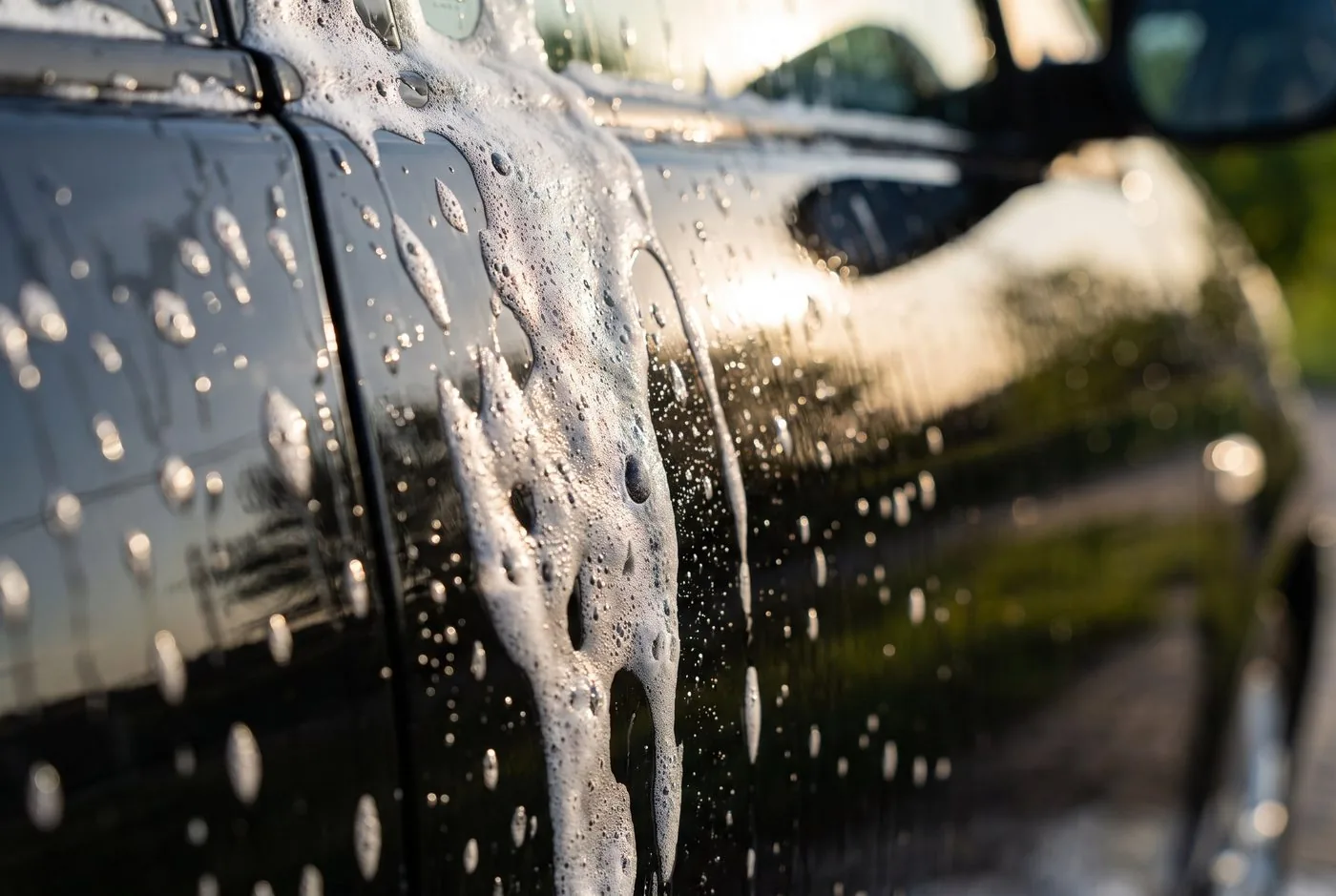
Clay bar treatment is a genuinely useful step that a lot of vehicle owners have heard of but don't fully understand — including why a regular wash, no matter how thorough, doesn't accomplish the same thing.
The simple test that tells you if you need it
Wash your car thoroughly, let it dry, then run your fingertips lightly over the paint — the hood is usually a good test spot. If it feels perfectly smooth, like glass, your paint is likely free of bonded contamination. If it feels slightly gritty or rough despite being visibly clean, that texture is exactly what clay bar treatment is designed to remove.
What washing removes vs. what clay bar removes
A regular wash removes loose surface dirt — dust, pollen, light grime that hasn't bonded to the paint. But certain contaminants actually bond to the clear coat at a microscopic level and sit slightly embedded rather than just resting on top: industrial fallout and rail dust, brake dust particles, tree sap residue, and mineral deposits from hard water are common examples. Washing can't lift these because they're not just sitting loose on the surface.
How clay bar treatment actually works
- The vehicle is washed first to remove loose surface dirt
- A specially formulated clay bar (or clay mitt/towel) is worked across small sections of wet, lubricated paint
- The clay's slightly tacky surface physically grabs and lifts bonded contaminants out of the clear coat as it glides across, rather than scrubbing them away chemically
- The clay is regularly folded or kneaded to expose a clean surface, since it picks up what it removes
- Once complete, the paint is wiped down and typically re-washed before any wax, sealant, or coating is applied
Why this step matters before waxing or ceramic coating
Applying wax, sealant, or ceramic coating over paint that still has bonded contamination traps that grit underneath the protective layer — meaning it stays there, and in some cases can even interfere with how well the product bonds to the paint. This is exactly why decontamination is a standard step before any coating application, not an optional upsell.
How often clay bar treatment is actually needed
Not every wash needs it — clay bar treatment is typically done once or twice a year for most vehicles, or before applying a new coating or sealant. Vehicles that park regularly near industrial areas, railways, or under heavy tree cover may need it more often given faster contaminant accumulation.
If your paint still feels gritty after a proper wash, that's not a washing problem — it's a decontamination problem, and only clay bar treatment (or an equivalent chemical decontamination) actually fixes it.
Is clay bar treatment safe for all paint?
Used correctly with proper lubrication, clay bar treatment is safe for clear coat finishes, though it should be done carefully and with adequate lubricant to avoid introducing fine marring. This is part of why it's typically included as a standard step within a professional exterior detail rather than something to attempt without the right technique.
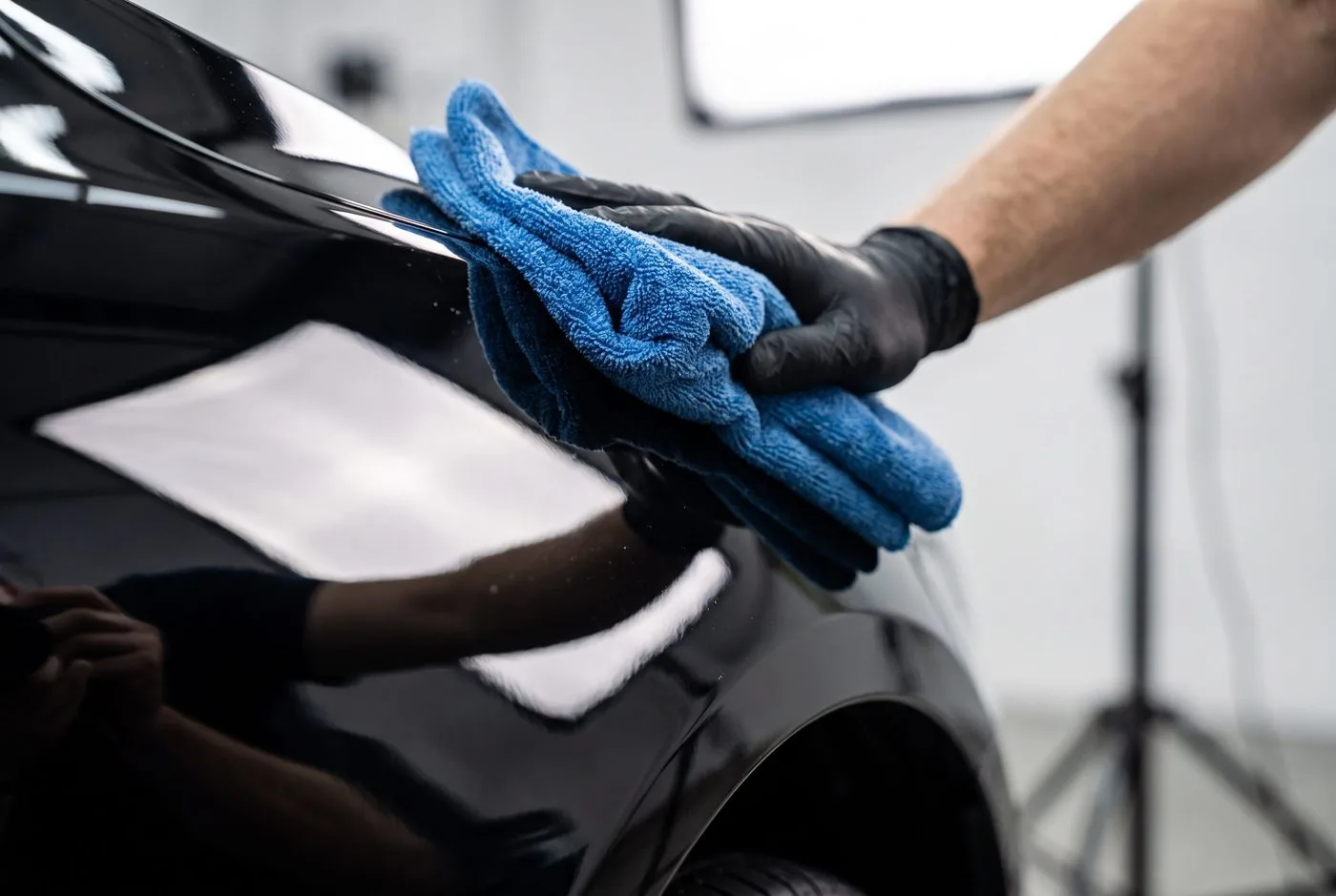
Quick answers
It's possible with the right product and lubrication technique, but it's easy to introduce fine marring if the surface isn't kept adequately lubricated during the process — professional application reduces that risk.
Yes, typically — which is exactly why it's done before applying new protection, not after. Clay bar treatment is meant to prep bare, decontaminated paint for the protective product that follows.
More from the Car Care Guide
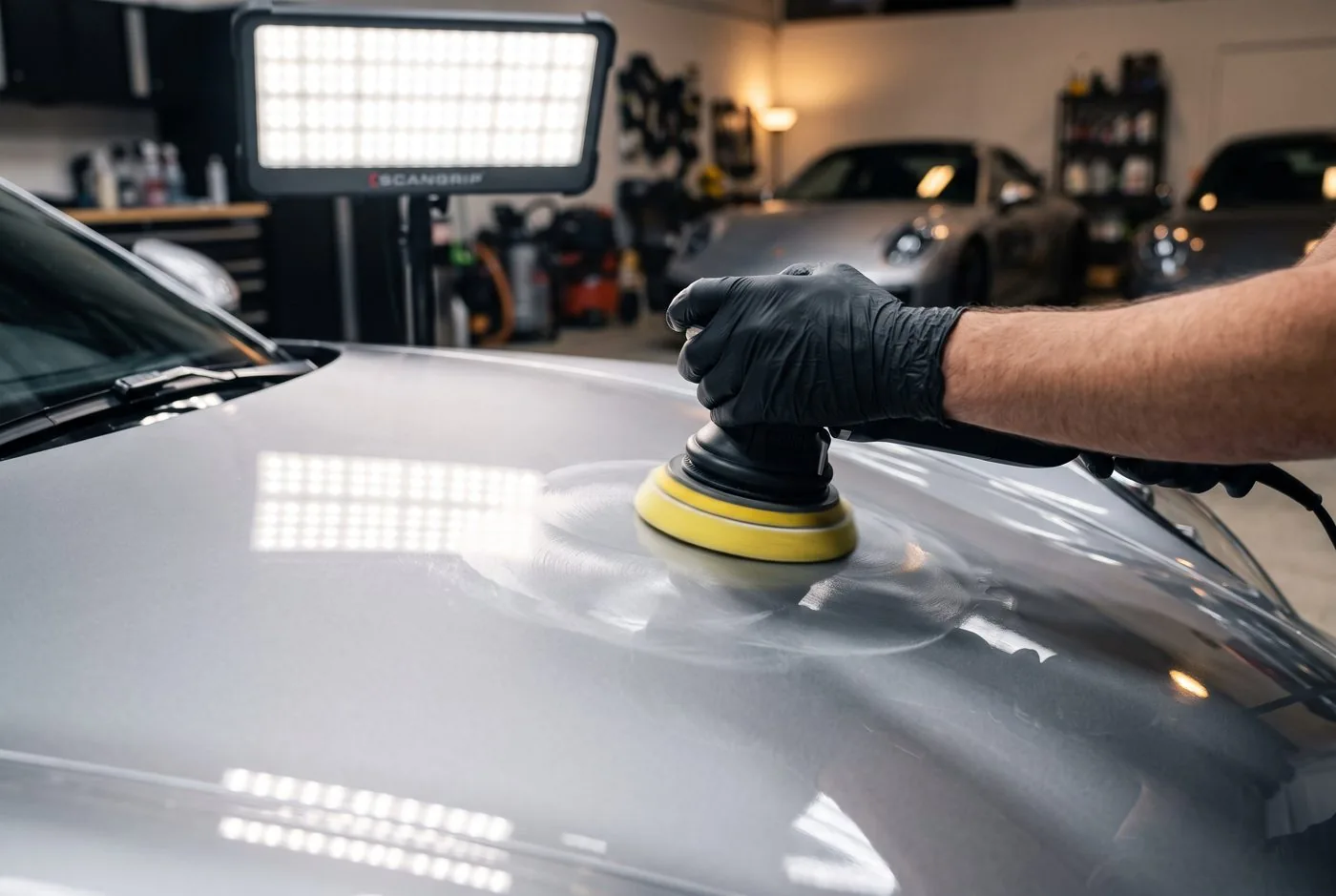
What Is Paint Correction? A Complete Beginner's Guide
Everything a first-timer needs to know about paint correction — what it fixes, what it can't, and how the process actually works.
Ceramic Coating vs. Paint Protection Film
They get lumped together constantly — here's how they actually differ.