5 Signs Your Car Needs Paint Correction
Some paint problems wash out. Others don't — no matter how many times you try. Here's how to tell the difference before spending money on the wrong fix.
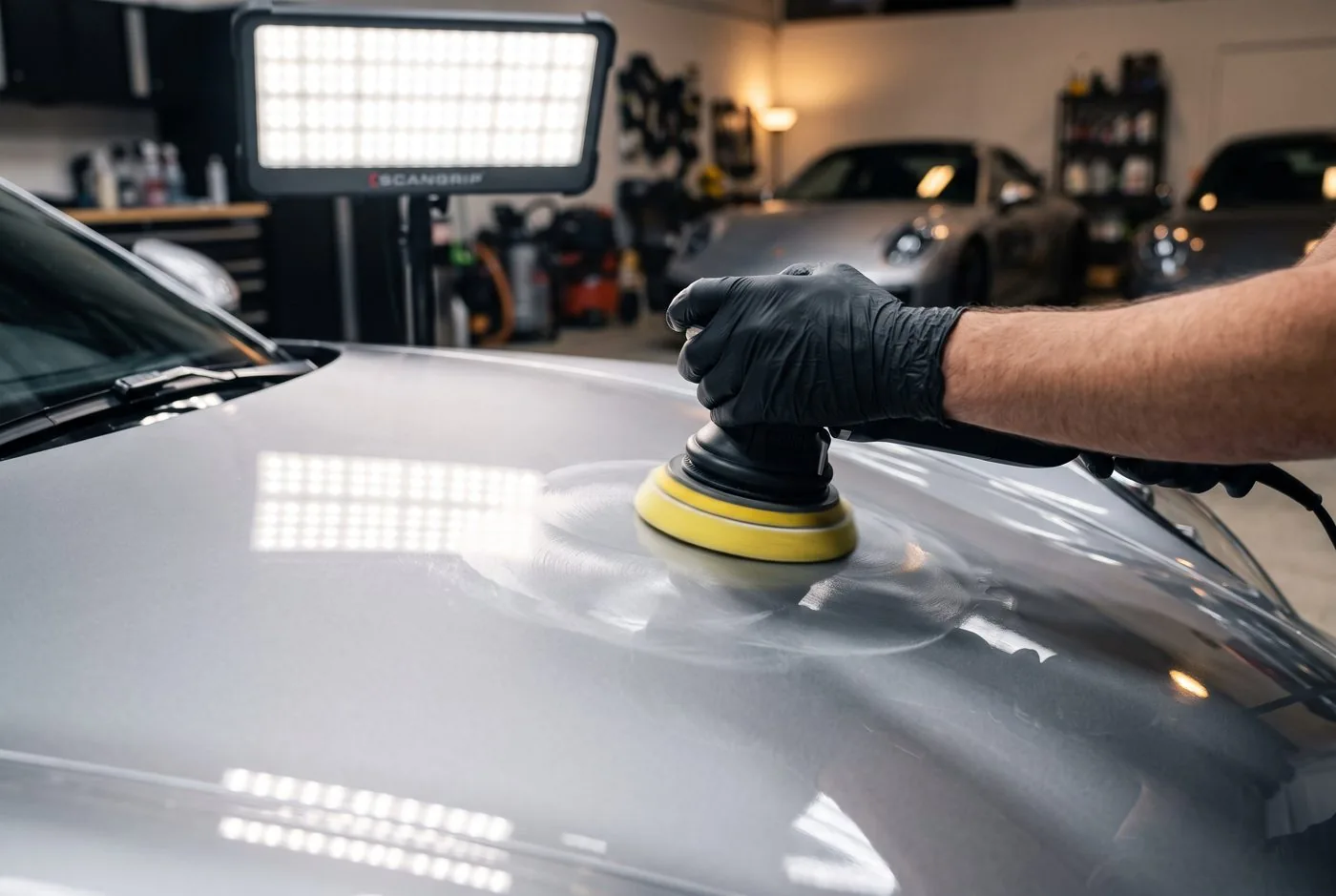
A lot of vehicle owners try wash after wash, wax after wax, on a paint problem that simply isn't going to respond to surface cleaning — because the issue isn't dirt, it's damage to the clear coat itself. Here are the five clearest signs correction, not another wash, is what's actually needed.
1. Swirl marks visible in direct sunlight
If your car looks fine in a garage or under cloudy skies but shows a spiderweb pattern of fine scratches the moment it's parked in direct sun — especially noticeable on dark colors — that's classic swirl marking. It's already there under any lighting; direct sun just reveals it. No amount of washing removes swirl marks, since they're physical scratches in the clear coat, not surface dirt.
2. Paint looks dull or hazy even right after washing
If a freshly washed, freshly dried car still looks flat or hazy rather than deeply glossy, that's often a sign of oxidation — UV-driven degradation of the clear coat's surface that a wash can't reverse because it's not a cleanliness issue. This is especially common on vehicles that have spent years parked outdoors through repeated North Texas summers without any protective coating.
3. Water spots that won't wash out
Fresh mineral deposits from water usually come off with a proper wash and dedicated water spot remover. If spots remain after that — especially if you can feel a slight texture change running a fingertip lightly over the area — the clear coat has likely been etched by mineral-laden water that sat and dried in direct sun, and that etching needs to be polished out.
4. Visible etching from sap, droppings, or other contaminants
If tree sap, bird droppings, or other contaminants sat long enough to leave a faint ring, spot, or texture change even after proper removal, the same logic applies — the contaminant's chemistry already affected the clear coat's surface, and only correction actually restores an even finish.
5. Light scratches you can feel but not fully see
Running a fingertip very lightly across a scratch and feeling a slight catch, even if it's barely visible to the eye, usually means it's gone at least partway into the clear coat. Very light scratches like this are often correctable; deeper ones that have gone through to the base color coat may need touch-up paint instead — a professional assessment can tell you which category you're dealing with.
If a defect survives a proper wash and dedicated spot treatment, it's not a cleaning problem anymore — it's a clear coat problem, and correction is the only process that actually fixes that.
What if you're not sure which applies to your car?
Most of these signs are easiest to evaluate in person under proper lighting rather than guessing from how the paint looks day-to-day. A straightforward way to know for sure is an honest assessment before committing to paint correction — sometimes what looks like heavy damage is actually light correctable swirling, and sometimes what seems minor turns out to need more attention than expected.
Quick answers
Yes — park in direct sunlight and inspect dark panels at an angle; swirl marks and dullness are usually visible to the naked eye once you know what to look for, even without professional lighting equipment.
For vehicles with very minor, barely visible swirling, some owners reasonably choose to skip correction and simply maintain the paint going forward — it's a judgment call based on how much the current condition bothers you and your plans for the vehicle.
More from the Car Care Guide
Swirl Marks Explained: What Causes Them and How Paint Correction Fixes Them
Why swirl marks happen, why they're most visible in direct sun, and what paint correction actually does to remove them.
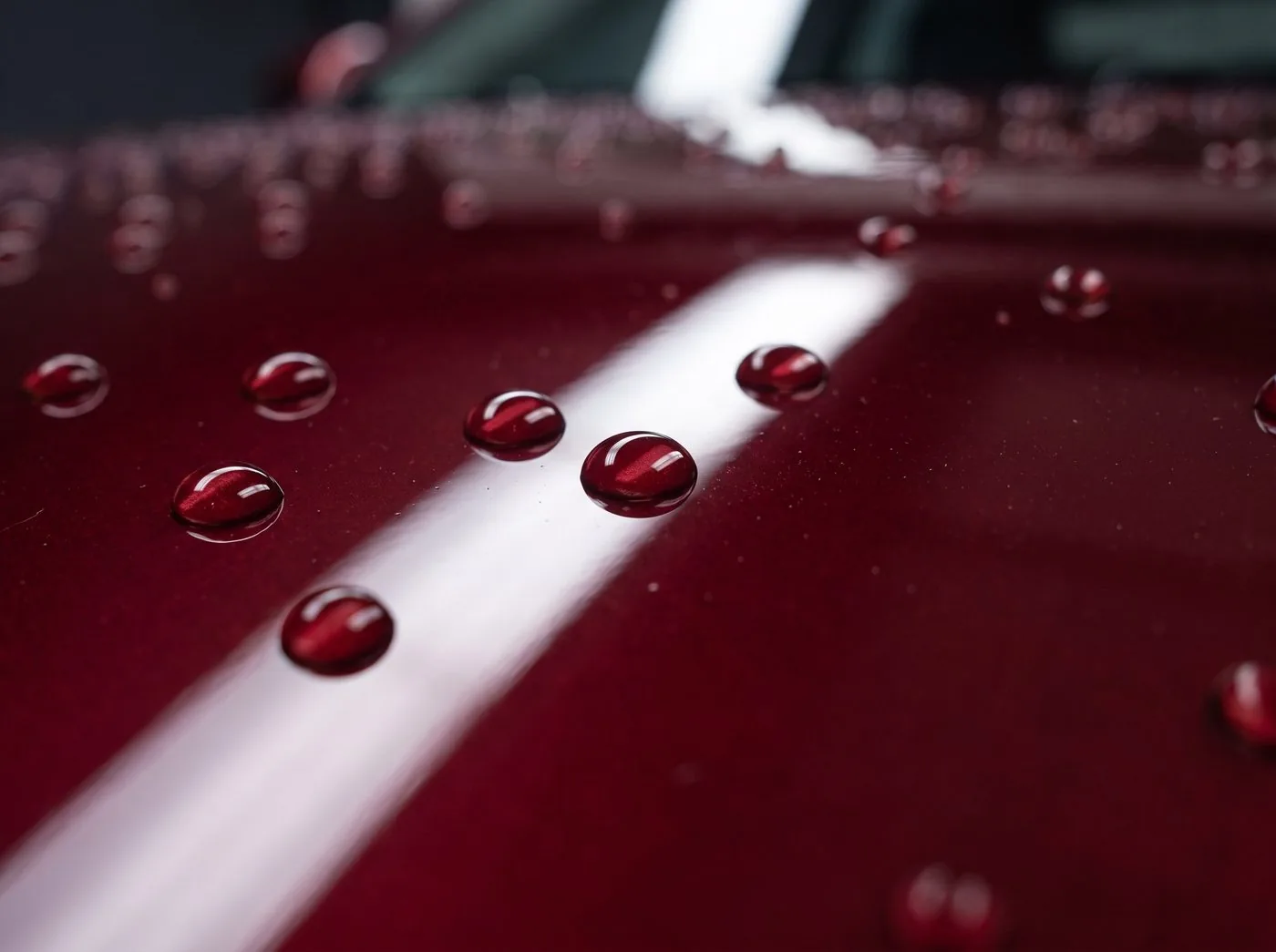
Water Spots on Car Paint: What Causes Them and How to Remove Them
What actually causes water spotting on car paint, and the safe way to remove it before it becomes permanent etching.