Bird Droppings on Car Paint: Why You Should Never Let Them Sit
It looks like a minor mess, but bird droppings are one of the fastest-acting paint contaminants there is — and Texas heat speeds up the damage further.
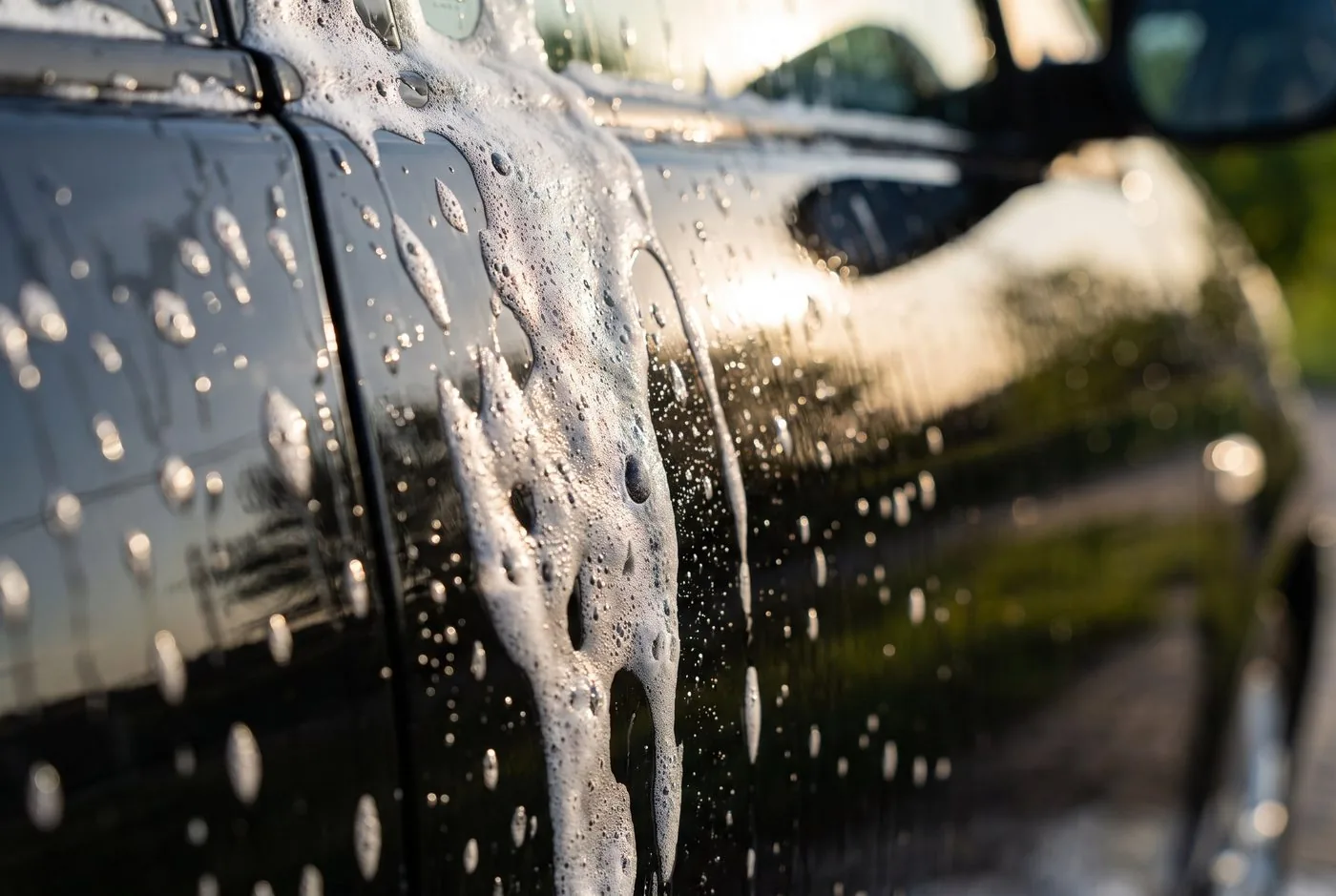
Bird droppings are one of the most underestimated threats to car paint. Most people treat them as a cosmetic annoyance to wipe off eventually — but the chemistry involved means "eventually" can already be too late.
Why bird droppings damage paint so quickly
Bird droppings are acidic and contain uric acid, which can begin reacting with a vehicle's clear coat within a surprisingly short window — sometimes just a few hours in the right (or wrong) conditions. As the droppings dry, that acidity becomes more concentrated, and the drying process itself can create a slight ring or pitted texture in the clear coat that no amount of washing will remove afterward.
Why Texas heat makes it worse
Heat accelerates every part of this process. A dropping that might take a day or more to fully dry and become damaging in a cooler, more humid climate can dry — and start etching — considerably faster on a hot North Texas hood or roof in direct summer sun, where surface temperatures can run well above the ambient air temperature.
The correct removal process
- Don't wipe it dry. Wiping dried droppings with a dry or barely damp cloth drags whatever grit or debris is mixed in directly across the clear coat, adding scratching to the acid exposure.
- Soften it first. Spray the area with plain water or a diluted car soap solution and let it sit for a minute or two to soften the deposit before any contact.
- Wipe gently with a clean, soft microfiber towel. Once softened, the dropping should lift with minimal pressure — forcing it is a sign it needs more soak time, not more scrubbing.
- Wash the area normally afterward to remove any remaining residue and restore consistency with the surrounding paint.
If it's already etched
If a faint ring, dull spot, or slight texture remains after proper removal, the clear coat has likely already been chemically affected — a wash won't reverse that. This is a case for paint correction, which polishes out the affected layer of clear coat to restore an even, glossy finish.
Reducing risk for vehicles parked under trees
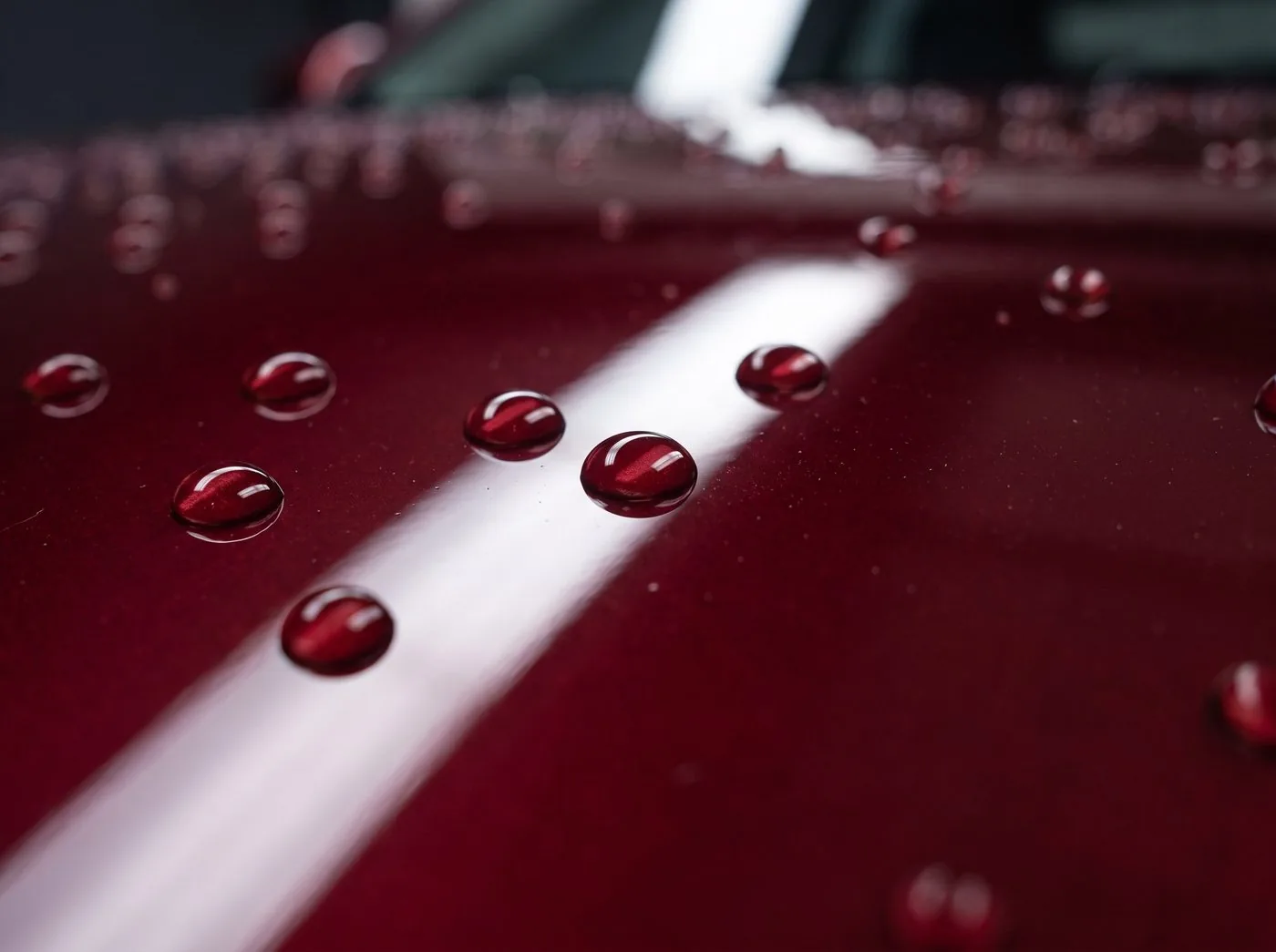
Vehicles regularly parked under trees with heavy bird activity face this risk more often, and it's simply not practical to catch every dropping within the first hour. A ceramic coating genuinely helps in this specific situation — the bonded, hydrophobic surface gives acidic contaminants less to grip onto and bond with, buying meaningfully more time before etching becomes likely, even if it doesn't make the paint immune.
Bird droppings aren't just messy — they're one of the fastest-acting acidic contaminants a vehicle's paint will encounter, and Texas heat shortens the safe window even further.
The bigger picture
This is a case where a quick habit — keeping a microfiber towel and small water bottle in the car, and addressing droppings the same day — matters more than any single product. Combined with regular exterior detailing to catch anything missed, it's genuinely one of the easiest ways to prevent avoidable paint damage.
Quick answers
It varies by conditions, but etching can begin within just a few hours in hot, direct sun — considerably faster than most people expect, which is why prompt removal matters more than it might seem.
Diet does affect acidity somewhat, but the practical advice is the same regardless — treat any dropping as a same-day removal priority rather than trying to judge which ones are more or less harmful.
More from the Car Care Guide
How to Remove Tree Sap From a Car Without Damaging the Paint
The correct way to remove tree sap from car paint safely — and the common mistakes that make it worse.
Water Spots on Car Paint: What Causes Them and How to Remove Them
What actually causes water spotting on car paint, and the safe way to remove it before it becomes permanent etching.