How Pollen Season Hits Dallas Car Paint (And What Actually Helps)
That yellow-green dust every North Texas driver knows well isn't just a nuisance to wipe off — left alone, it can genuinely damage paint. Here's why, and what helps.
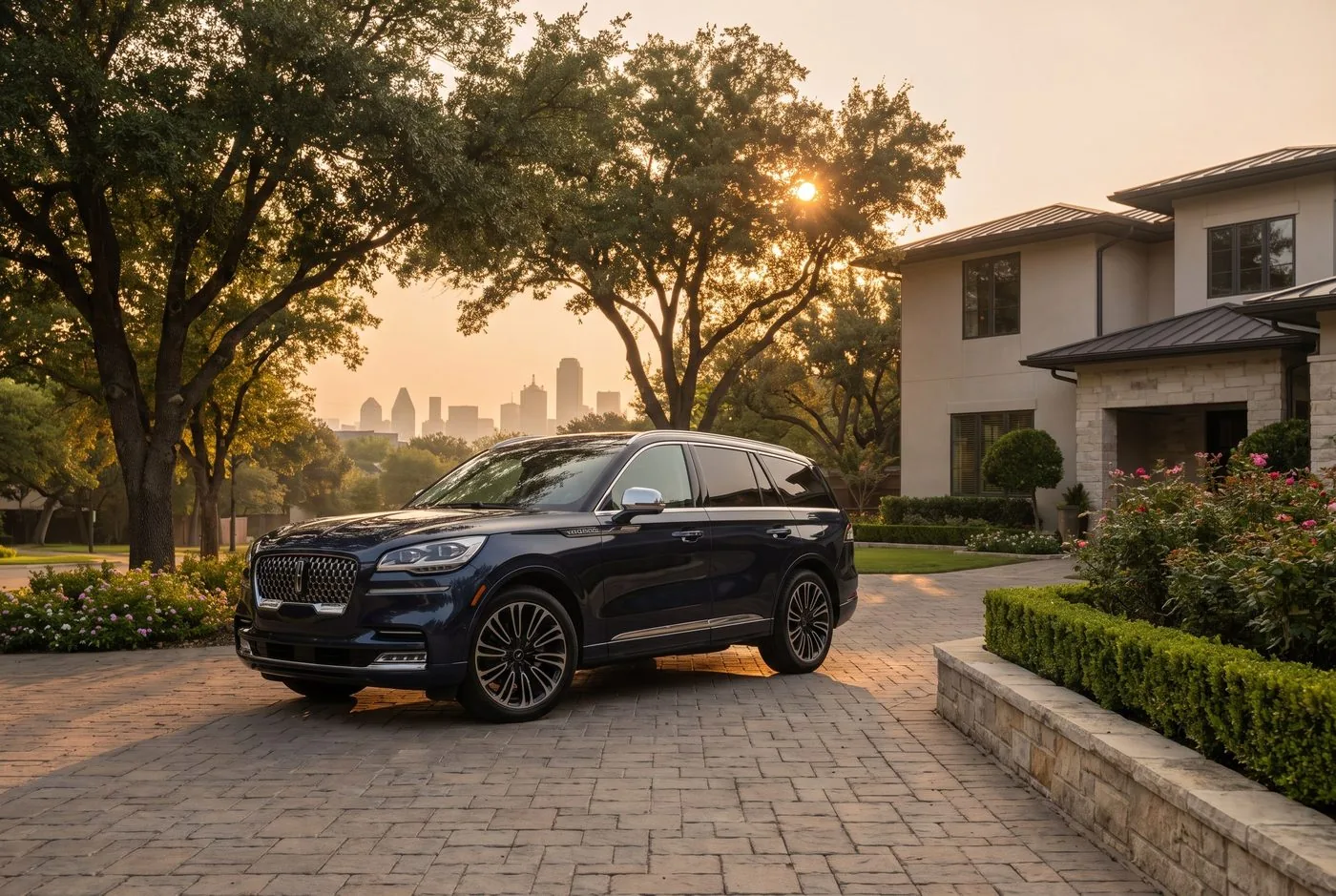
Every North Texas driver knows the feeling of walking out to a car dusted in fine yellow-green pollen in early spring. Most people treat it as an annoyance solved by a wash whenever it's convenient — but pollen season here is a genuinely tough stretch for a vehicle's paint if it's not addressed with any urgency.
Why North Texas pollen season is particularly intense
North Texas sees a heavy pine and oak pollen load through late winter into spring, and the sheer volume produced across the region's tree cover means parked vehicles accumulate a visible coating within a single day in peak weeks — not a gradual buildup, but a dramatic one. Combined with the region's typical mild, dry spring stretches (before storm season fully kicks in), pollen can sit on paint for extended periods without rain to wash any of it away naturally.
How pollen actually damages paint if left too long
Pollen itself isn't purely inert dust — it contains organic compounds that, combined with morning dew or light moisture, can create a mildly acidic film on the paint's surface. Left for days or weeks without washing, especially through repeated dew-and-dry cycles, that film can contribute to surface etching over time, on top of simply making the vehicle look neglected.
What actually helps during peak pollen season
- Increase wash frequency. Weekly washing during the heaviest pollen weeks — rather than the biweekly baseline that works fine most of the year — prevents accumulation from ever reaching a level where it can start affecting the paint.
- Rinse before contact washing. A plain water rinse first loosens loose pollen before any mitt or cloth touches the surface, reducing the risk of grinding pollen grains into the clear coat during washing.
- Cover or garage parking when possible. Reducing direct exposure during the worst weeks — even a carport or temporary cover — meaningfully cuts down on accumulation compared to fully open parking.
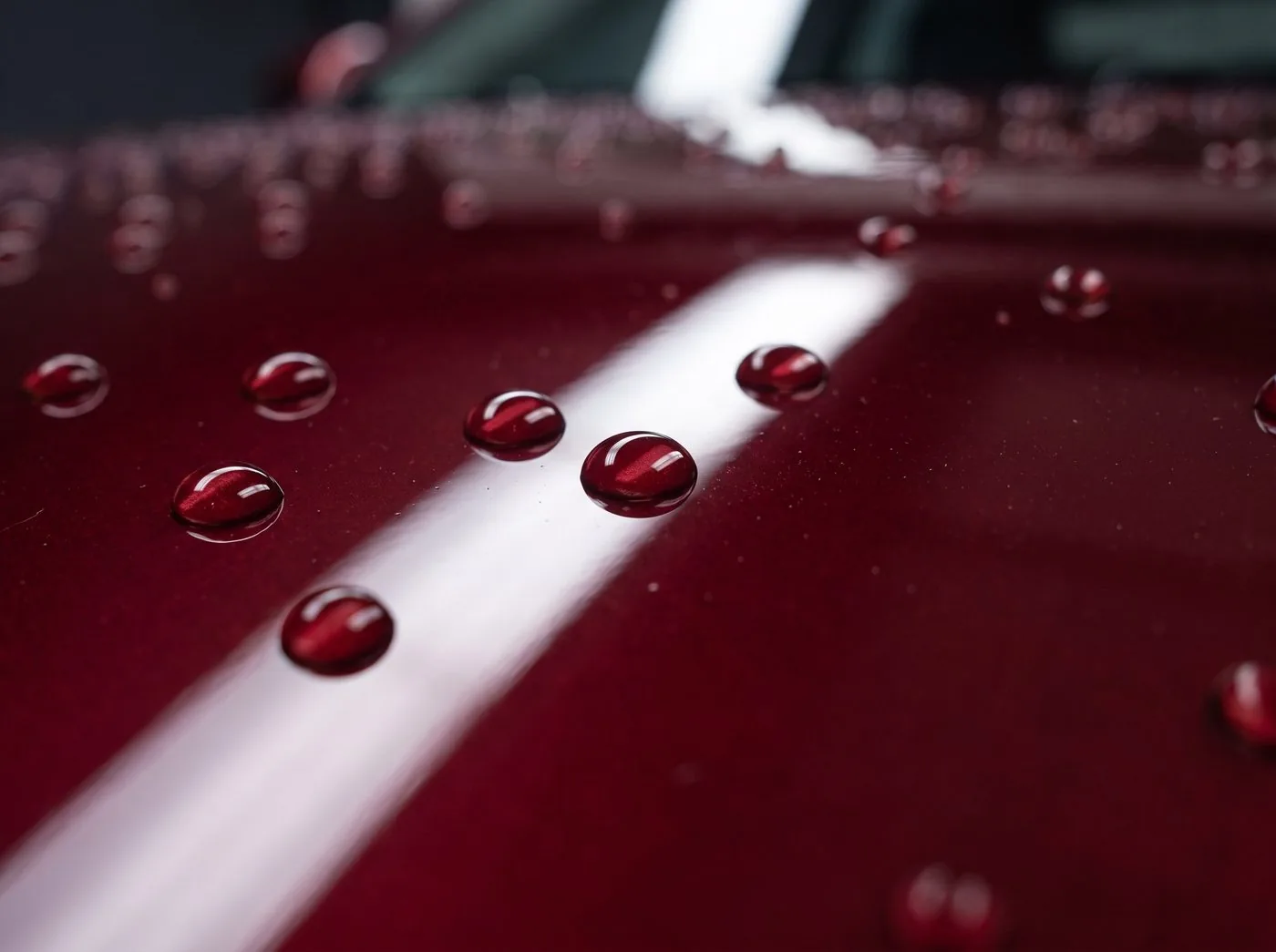
- Consider ceramic coating before the season hits. A coated, hydrophobic surface gives pollen far less to bond to, and rinses clean far more easily than bare paint — genuinely useful specifically for this seasonal challenge.
What about interior pollen exposure?
It's not just exterior paint — pollen gets tracked into the cabin on clothing and shoes, and cabin air filters work harder (and clog faster) during peak season. If allergy symptoms seem worse inside the car than expected, a cabin air filter check alongside interior detailing genuinely helps address both dust and pollen buildup inside the vehicle, not just outside it.
Pollen looks like a harmless dusting, but the acidic film it can form with moisture is a real, if often overlooked, contributor to seasonal paint etching in North Texas.
Recovering from a season of pollen exposure
If pollen season has already left a season's worth of dulling or light etching by the time you're addressing it, a full exterior detail with proper decontamination resets the surface, and paint correction can address any etching that's already set in before applying protection to make next season easier to manage.
Quick answers
Pine pollen typically peaks in late winter into early spring, with oak and other tree pollen following through spring — the exact timing shifts year to year based on weather patterns, but late February through April is generally the heaviest stretch.
Same-day washing significantly reduces risk, but pollen that sits through even a single morning dew cycle can begin forming the mild acidic film that contributes to etching — which is why frequency matters more than any single wash.
More from the Car Care Guide
How to Protect Your Car From Texas Sun
What actually helps against Dallas heat and UV — and what's just marketing.
How Often Should You Detail a Car in North Texas?
A season-by-season look at how often to wash and detail a car in North Texas, based on actual climate and driving conditions.